What It’s Really Like to Live Near Park Avenue in Winter Park
There are certain parts of Central Florida where the neighborhood becomes as important as the house itself. Park Avenue in Winter Park is one of those places.
Buyers are often drawn to the area because they want something that can be difficult to find in Central Florida: a genuine downtown lifestyle with mature trees, brick streets, locally owned businesses, parks, restaurants, cultural attractions, and established residential neighborhoods all within a relatively compact area.
Living near Park Avenue does not feel like living in a large urban downtown. It is quieter, greener, and more residential. You can walk to dinner, spend a Saturday morning at the farmers’ market, attend an art festival in Central Park, or simply stop for coffee without turning every outing into a drive across town.
For many buyers, that everyday convenience is the real attraction.
Park Avenue Is the Center of the Community
Park Avenue is the heart of downtown Winter Park, but it has managed to hold on to a scale and personality that feel very different from many newer mixed-use developments.
The buildings are generally lower, the sidewalks are shaded, and Central Park opens the entire district up instead of making it feel crowded. The historic architecture, landscaping, storefronts, and public spaces give the area a sense of place that has developed over generations rather than being created all at once.
That distinction is important when comparing Winter Park with other walkable areas around Central Florida. Park Avenue feels established because it is established. The surrounding streets, homes, institutions, and businesses have grown together over time.
It is also worth remembering that “near Park Avenue” can mean different things to different buyers. Living within a block or two of the Avenue creates a much different daily experience than living several minutes away in one of Winter Park’s surrounding residential neighborhoods. Both can be appealing, but the right location depends on how much activity, walkability, privacy, and convenience you want.
Central Park Is More Than a Downtown Landmark
Central Park stretches through the middle of downtown and gives Park Avenue much of its character. The 11-acre park creates an open, green setting that would be difficult to duplicate today in the center of such a desirable commercial district.
For residents, Central Park is not simply a place reserved for special occasions. It becomes part of the normal routine.
You may walk through it on the way to lunch, meet friends there, bring children or grandchildren to an event, or stop for a few minutes under the trees. During festivals and community celebrations, the park becomes the center of activity. On quieter days, it offers an easy place to slow down without leaving downtown.
That balance between activity and open space is one of the reasons Park Avenue continues to appeal to such a wide range of buyers.
Saturday Mornings Have Their Own Rhythm
The Winter Park Farmers’ Market is one of the best examples of how community life works around Park Avenue.
Held Saturday mornings from 8 a.m. to 1 p.m. in Central Park’s West Meadow, near New York Avenue and Morse Boulevard, the market draws residents and visitors for produce, flowers, food, and local vendors.
For someone living nearby, it can become part of the weekend routine rather than a special trip. You can walk over, pick up a few things, have breakfast or coffee, and continue through downtown without getting back in the car.
The market is typically paused during major events such as the Winter Park Sidewalk Art Festival in March and the Autumn Art Festival in October. That tells you something about living near Park Avenue: the neighborhood’s routine changes with the community calendar.
Most of the year, that activity is part of the appeal. Buyers who prefer complete quiet, however, should think carefully about how close they want to be to the most active blocks. Festival weekends can bring additional visitors, traffic, and parking demands.
Walkability Changes the Way You Use the Neighborhood
People often describe Park Avenue as walkable, but the real benefit is not simply the ability to take a walk. It is the way several parts of your day can naturally connect.
You might start with coffee, browse a bookstore, pick up a gift, walk through Central Park, meet someone for lunch, and stay downtown for dinner. Those activities do not have to be separate trips.
Winter Park has made walking and bicycling an important part of its transportation planning, and that is especially noticeable around the downtown core. The scale of the streets, storefronts, parks, and nearby neighborhoods makes walking feel like a practical option rather than just recreation.
Of course, the amount of walking you actually do will depend on the specific property. A home described as being “near Park Avenue” may still require a car for most daily errands. When I work with buyers in this area, I encourage them to look beyond the mailing address and consider the actual route they would take to downtown, including sidewalks, street crossings, distance, and traffic.
Shopping and Dining Feel Like Part of the Neighborhood
Park Avenue has a mix of local businesses and recognizable names, including boutiques, restaurants, coffee shops, bookstores, galleries, and specialty retailers.
Familiar destinations have included Writers Block Bookstore, Tuni, Ten Thousand Villages, Barnie’s Coffee & Tea Co., Prato, Boca, Cocina 214, The Wine Room, and other businesses that help give the district its personality.
The value is not necessarily that every store or restaurant is within a few steps of your home. It is that residents have a defined town center where they can meet, shop, dine, and spend time.
A short distance west of Park Avenue, Hannibal Square offers another collection of restaurants and businesses. It has its own history and character and often feels a little more relaxed than the busiest section of Park Avenue.
Together, Park Avenue and Hannibal Square provide several different experiences within a relatively small area.
Arts and Culture Are Woven Into Everyday Life
Another thing that separates Winter Park from many Central Florida communities is the role that arts and culture play in the neighborhood.
These are not destinations that sit miles outside the residential areas. They are located in and around the places residents already visit.
The Charles Hosmer Morse Museum of American Art is directly on North Park Avenue and is best known for its extensive collection of works by Louis Comfort Tiffany. Rollins College sits just beyond the southern end of downtown, with the Annie Russell Theatre and other cultural and educational resources close to the Avenue.
Because these institutions are integrated into the community, exhibitions, performances, lectures, and special events can become part of normal neighborhood life.
The result is a downtown that remains active for reasons beyond shopping and dining.
Events Bring Energy—and Extra Activity
Winter Park hosts a full calendar of community events, many of which center on Park Avenue and Central Park.
Winter on the Avenue brings holiday activities and the annual tree lighting. Friday Nights at the Morse combine evening museum access with live music on select dates. The Winter Park Autumn Art Festival showcases Florida artists, while the Winter Park Sidewalk Art Festival is one of the community’s largest annual events.
The Sidewalk Art Festival alone attracts more than 250,000 visitors, transforming the downtown area for the weekend.
For many residents, these events are a major benefit of living nearby. They can walk to some of Central Florida’s most popular cultural gatherings and enjoy the atmosphere without planning a full day of travel.
Still, buyers should be realistic. A lively event calendar also means occasional road closures, heavier pedestrian traffic, limited parking, and more activity around nearby homes. Whether that feels exciting or inconvenient depends on the person and the exact location of the property.
That is one reason it helps to visit a neighborhood at different times—not just during a quiet weekday showing.
Outdoor Living Goes Well Beyond Central Park
Although Park Avenue receives most of the attention, Winter Park offers a much broader outdoor lifestyle.
Mead Botanical Garden covers nearly 48 acres and includes walking areas, a boardwalk, butterfly garden, amphitheater, and bicycle trail. It also provides a more natural experience than you might expect so close to downtown.
Kraft Azalea Garden sits along the shore of Lake Maitland and is one of Winter Park’s quieter public spaces. The mature cypress trees, lake views, and Exedra monument make it especially popular for photography, small ceremonies, and peaceful walks.
Dinky Dock Park provides public lake access with a boat ramp and fishing pier. Canoes, kayaks, and paddleboards can also be launched there, giving residents another way to enjoy the Winter Park Chain of Lakes.
These parks help make the area attractive to buyers who want walkability but do not want to give up greenery, lake access, or outdoor recreation.
The Lakes Are an Important Part of Winter Park Living
The Winter Park Chain of Lakes is a major part of the community’s identity.
Residents use the lakes for boating, fishing, paddle boarding, kayaking, and water skiing. The lakes and canals also provide a scenic backdrop for many of Winter Park’s most desirable homes and neighborhoods.
The Scenic Boat Tour, which departs from East Morse Boulevard, has introduced generations of visitors and residents to the area from the water. The hour-long tour moves through lakes and canals while highlighting local architecture, history, Rollins College, and the surrounding landscape.
Even for homeowners who are not directly on the water, the lakes influence the character of the community. They shape the roads, views, recreation, and overall feeling of the area.
Waterfront ownership, however, comes with considerations that differ from a typical residential purchase. Shoreline condition, dock rights, canal access, water depth, views, maintenance, and boating restrictions can all affect a property’s usefulness and value. Those details should be reviewed property by property.
Homes Near Park Avenue Have Real Variety
The residential areas surrounding downtown do not offer just one type of home.
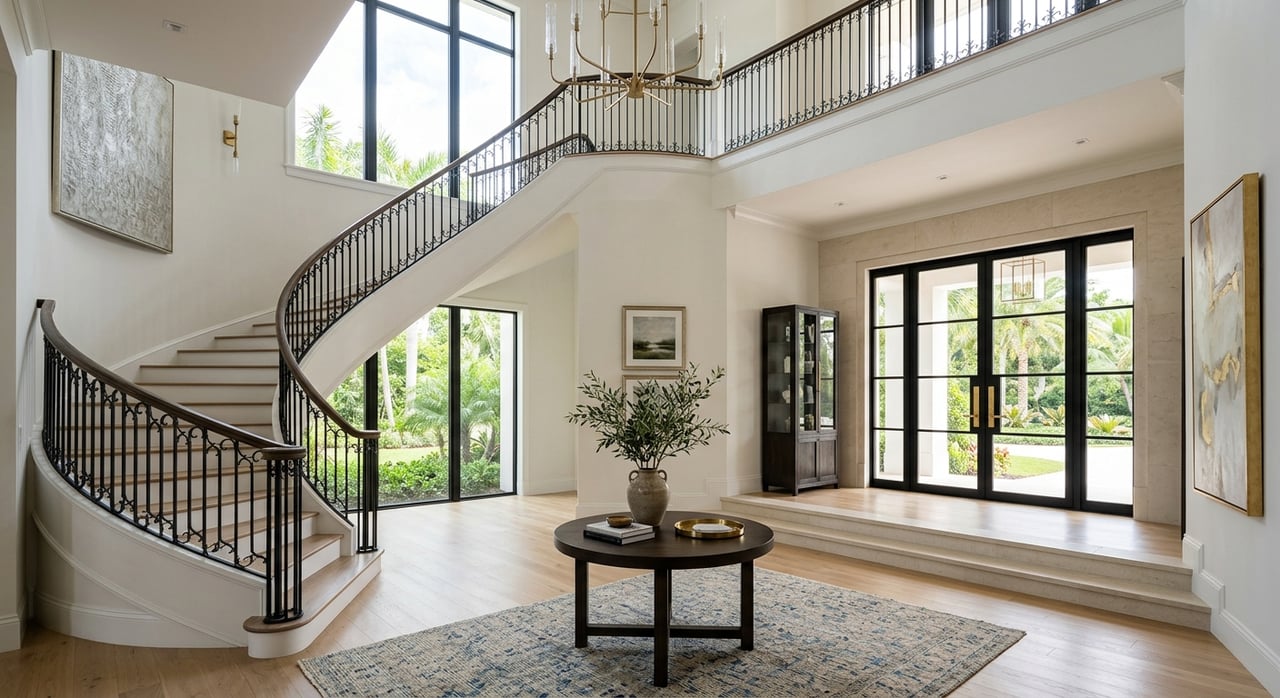
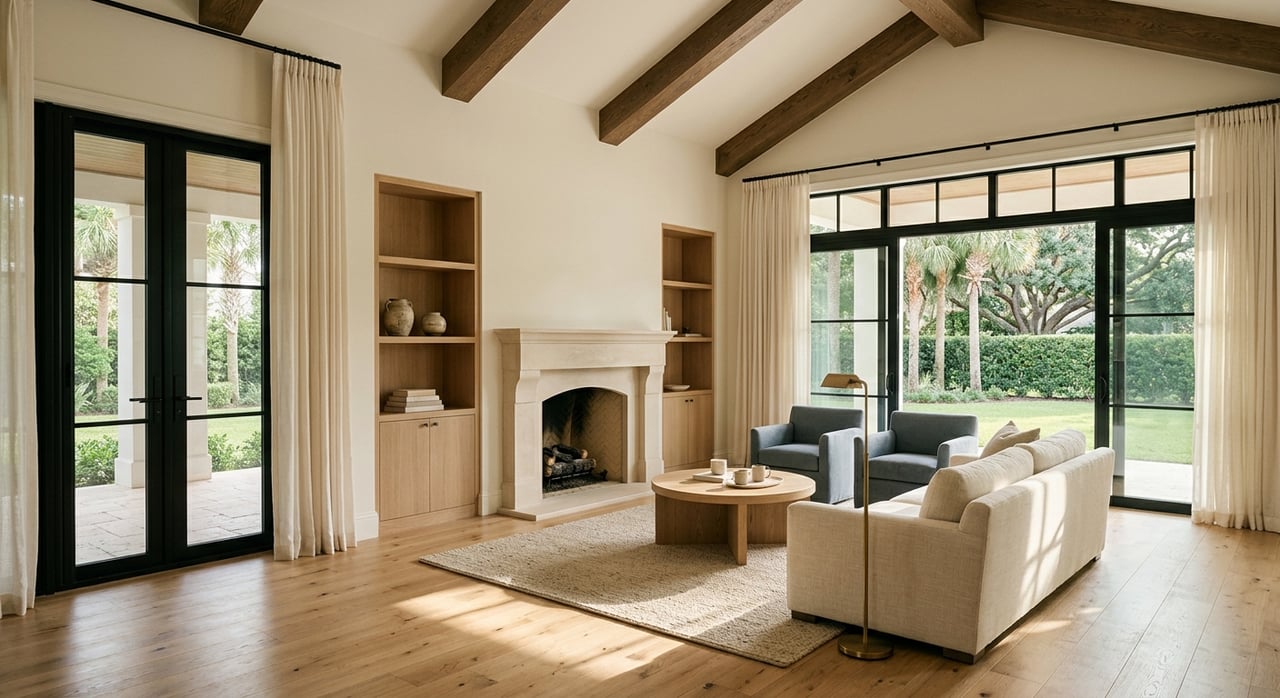
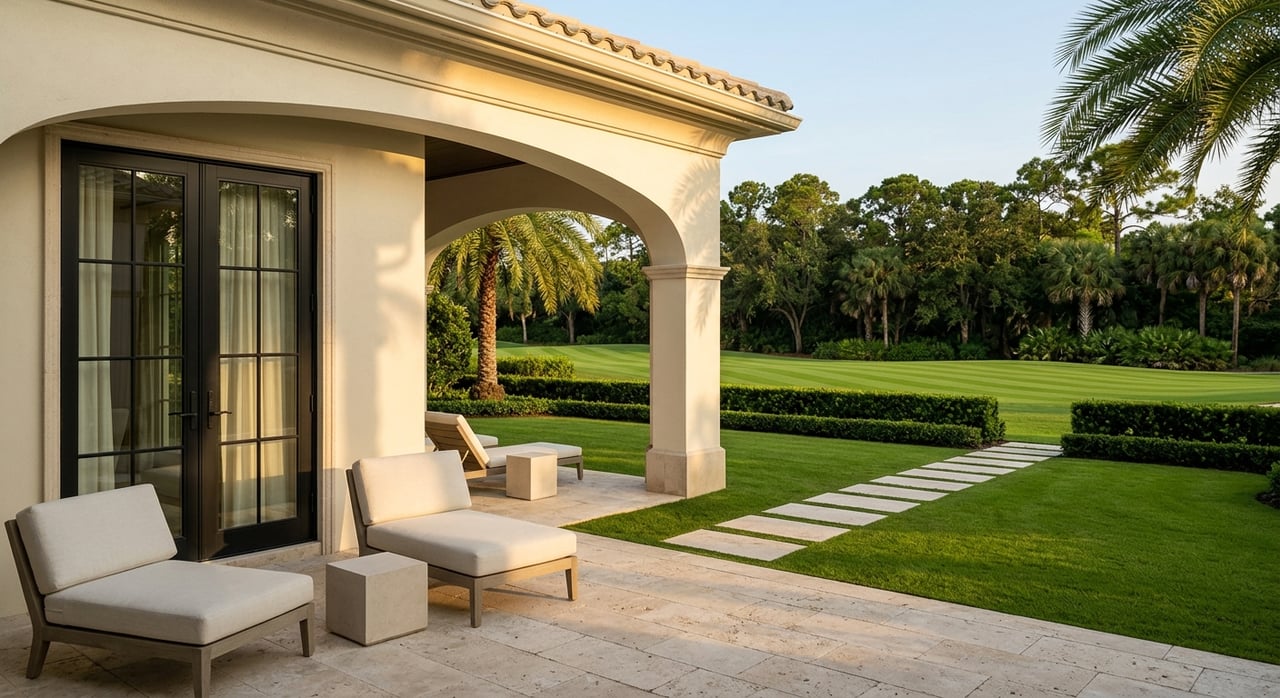
Depending on the street and distance from the Avenue, buyers may find historic cottages, bungalows, Mediterranean Revival homes, larger traditional residences, duplexes, garage apartments, condominiums, and newer construction built within established neighborhoods.
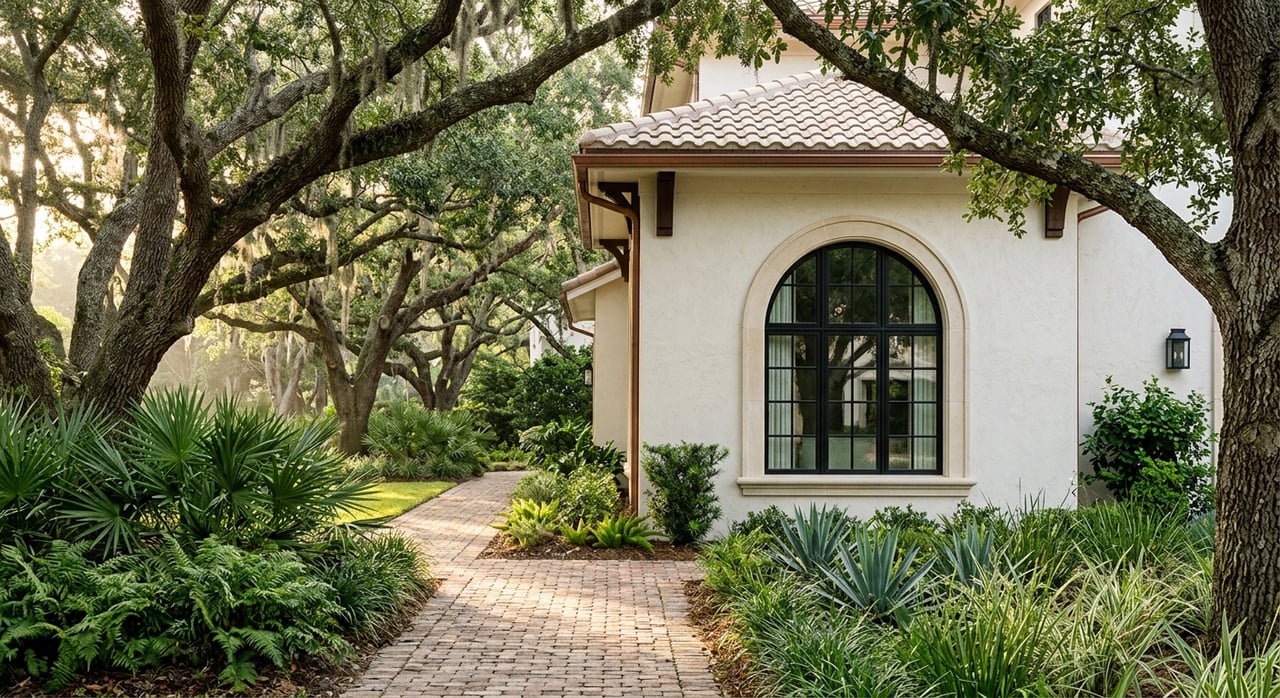
Some historic residential areas west and south of Rollins College date to the 1920s. Common architectural styles include Bungalow, Mediterranean Revival, Mission, Colonial Revival, Ranch, and Frame Vernacular.
That variety is part of Winter Park’s charm, but it also means two homes with similar square footage may offer very different experiences.
One may sit on a quiet brick street with mature landscaping but have an older floor plan and limited storage. Another may be newer and more efficient but lack some of the architectural character buyers associate with Winter Park. A condominium may provide a highly walkable lifestyle with less maintenance, while a single-family home may offer more privacy and outdoor space.
The best choice comes down to which compromises make sense for the buyer.
Historic Character Comes With Practical Considerations
Older homes can be beautiful, but charm should never replace due diligence.
When considering a historic or older Winter Park property, buyers should pay close attention to previous renovations, electrical and plumbing systems, roof age, insurance availability, drainage, windows, foundation condition, tree coverage, and whether additions were properly permitted.
Homes in or near historic districts may also have guidelines that affect exterior alterations, demolition, additions, or new construction.
That does not make an older home a poor choice. It simply means buyers need to understand what they are purchasing. A well-maintained historic property can be exceptional, but the cost of bringing a neglected one up to current expectations can be significant.
Lot size, driveway access, garages, guest parking, and outdoor living space can also vary considerably near downtown. These practical details may matter just as much as the home’s architectural style.
The Low-Rise Setting Is Part of the Appeal
Park Avenue has retained a lower-rise, pedestrian-oriented atmosphere that distinguishes it from a more intensely developed downtown.
Central Park remains visually connected to the Avenue, and the surrounding commercial district generally maintains a smaller scale. Residential uses are permitted above some ground-floor commercial spaces, but the area does not feel dominated by high-rise buildings.
For buyers, that creates an unusual combination: close access to restaurants, parks, shops, museums, and events without the feeling of living in a major urban center.
It is one of the main reasons Park Avenue has remained desirable even as other parts of Central Florida have developed new lifestyle districts of their own.
Why Buyers Continue to Choose This Part of Winter Park
Living near Park Avenue is ultimately about more than convenience.
It is about being part of an established community where daily life can include familiar businesses, public gathering places, cultural institutions, historic neighborhoods, mature landscaping, and access to the lakes.
The area can work particularly well for buyers who value:
- A walkable or partially walkable lifestyle
- Established neighborhoods with architectural character
- Restaurants, shops, and community events nearby
- Access to parks, lakes, museums, and Rollins College
- A downtown setting that still feels relatively residential
- Long-term appeal in one of Central Florida’s best-known communities
It will not be the right fit for everyone. Homes can command a premium, older properties may require additional maintenance, and the busiest locations come with more traffic and activity.
The key is understanding not only which home you like, but also how its particular location will affect the way you live day to day.
A Local Perspective Matters
A property near Park Avenue cannot be evaluated by square footage and recent sales alone.
Two homes a few streets apart may have very different walkability, traffic patterns, views, lot characteristics, renovation histories, and relationships to downtown. Even within the same neighborhood, one block may be noticeably quieter or more convenient than another.
After decades in Central Florida real estate, I have learned that these local details often make the difference between buying a house that looks right online and choosing a home that truly fits your lifestyle.
When you are considering Winter Park, it helps to work with someone who will discuss both the strengths and the practical considerations of each property—not simply try to sell you on the address.
If you are exploring homes near Park Avenue or elsewhere in Winter Park, I would be happy to help you understand the neighborhoods, compare properties, and make a confident, well-informed decision.
Loren “Andy” Williams
Broker Associate | REALTOR®
Lakeside Realty Windermere Inc.
AndyWilliamsWindermere.com
Deep Roots. Local Knowledge. Extraordinary Results.
Frequently Asked Questions
What is everyday life like near Park Avenue in Winter Park?
Life near Park Avenue can include walking to restaurants and shops, spending time in Central Park, visiting the farmers’ market, attending community events, and having museums and cultural destinations nearby. The experience varies depending on the property’s actual distance from downtown.
Is Park Avenue in Winter Park walkable?
Yes. Park Avenue is one of Central Florida’s more walkable downtown districts, with shops, restaurants, parks, and cultural attractions concentrated in a compact area. Buyers should still evaluate the specific walking route from any home they are considering.
Where is the Winter Park Farmers’ Market?
The Saturday Farmers’ Market is held in Central Park’s West Meadow near New York Avenue and Morse Boulevard. It generally operates from 8 a.m. to 1 p.m., although it may close or relocate during certain major downtown events.
What parks are close to Park Avenue?
Central Park is located directly along Park Avenue. Other nearby destinations include Mead Botanical Garden, Kraft Azalea Garden, and Dinky Dock Park.
What kinds of homes are available near Park Avenue?
The area includes historic cottages, bungalows, Mediterranean Revival homes, larger traditional residences, duplexes, garage apartments, condominiums, and newer homes built within established neighborhoods.
Are there historic districts near Park Avenue?
Yes. Several residential areas near downtown and Rollins College have historic significance and include homes dating to the early decades of the 20th century. Buyers should investigate whether a particular property is within a designated historic district and what guidelines may apply.
Is living near Park Avenue quiet?
Some nearby residential streets are remarkably quiet, while properties closest to downtown may experience more pedestrian activity, event traffic, and parking demand. Visiting the area at different times and on event weekends can help buyers understand the setting.
Is Park Avenue a good location for someone relocating to Central Florida?
It can be an excellent choice for someone seeking an established, walkable community with dining, culture, parks, lakes, and strong neighborhood character. The best fit will depend on budget, housing preferences, commute, and the amount of activity the buyer wants nearby.